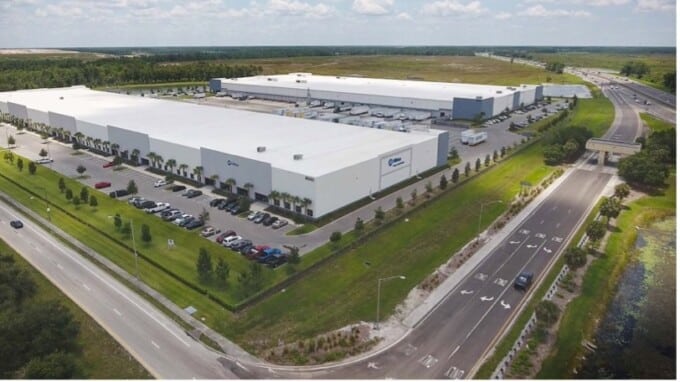
Data Center Logistics: What Data Center Projects Can’t Afford to Ignore
In today’s data center boom, construction speed gets the headlines, but logistics discipline is what determines whether projects stay on schedule.
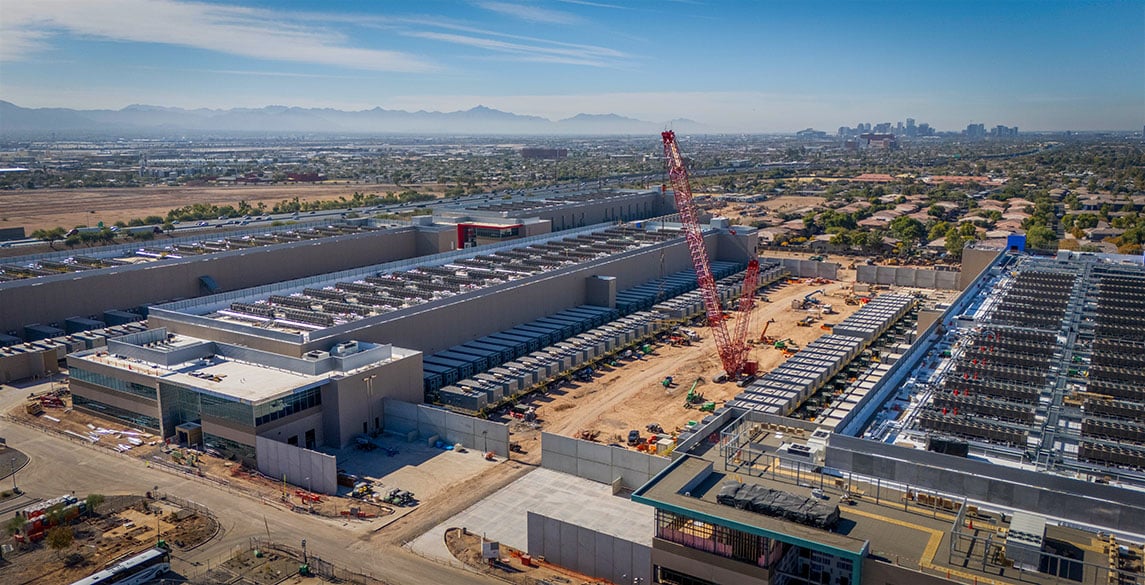
Across the Southeast, Mid-Atlantic, Texas and emerging secondary markets, data center development is accelerating under pressure from AI, cloud migration and energy-intensive computing. Yet one pattern shows up repeatedly in conversations with general contractors, integrators and developers: logistics planning still lags design and construction planning, and that gap creates risk.
The challenge isn’t moving freight from Point A to Point B, it’s managing timing, storage and logistical sequencing in an environment where sites are constrained, equipment is expensive and schedules move faster than traditional supply chains were built to handle.
When the Equipment Arrives Before the Data Center Project Site is Ready
Long lead times and misaligned delivery schedules for equipment, supplies and critical infrastructure components are now standard on mission‑critical projects. Generators, Uninterruptible Power Supply (UPS) systems, switchgear, chillers, servers, power skids and prefabricated Mechanical, Electrical and Plumbing (MEP) assemblies often ship months before installation windows open, while others may lag behind project schedules. This creates immediate needs for off-site storage, staging, handling, bundling and schedule coordination while increasing the risk of damage and delays. As a result, project teams face difficult choices:
- Leave sensitive or high‑value assets in uncontrolled environments
- Push deliveries into already congested jobsites
- Absorb schedule risk while storage and handling are sorted out reactively
Each option introduces avoidable cost and exposure.
Forward‑looking project teams are addressing this by treating warehousing and laydown storage as planned infrastructure and an extension of the supply chain, not emergency measures. Climate‑controlled off‑site warehousing protects sensitive technology components and power equipment, while near‑site laydown storage, with flexible delivery options, creates breathing room for bulk materials without compromising safety or workflow on active sites. This proactivity allows project teams to mitigate the hidden costs of site congestion, damage and idle labor.
The Hidden Risk of Site Congestion
Data centers are equipment-dense by design. Even well-planned sites quickly become constrained once structural steel, conduit, cooling systems and prefabricated assemblies begin arriving in volume.
Congested sites slow work, increase handling damage and force crews to spend time sorting materials instead of installing them. In worst cases, poor staging leads to rehandling, missed delivery windows or idle labor. These are costs that rarely show up in original budgets.
The most effective teams rethink the site footprint itself. Off-site staging, near-site laydown storage and sequenced delivery help keep installation zones clear, controlled and aligned to what crews need next.
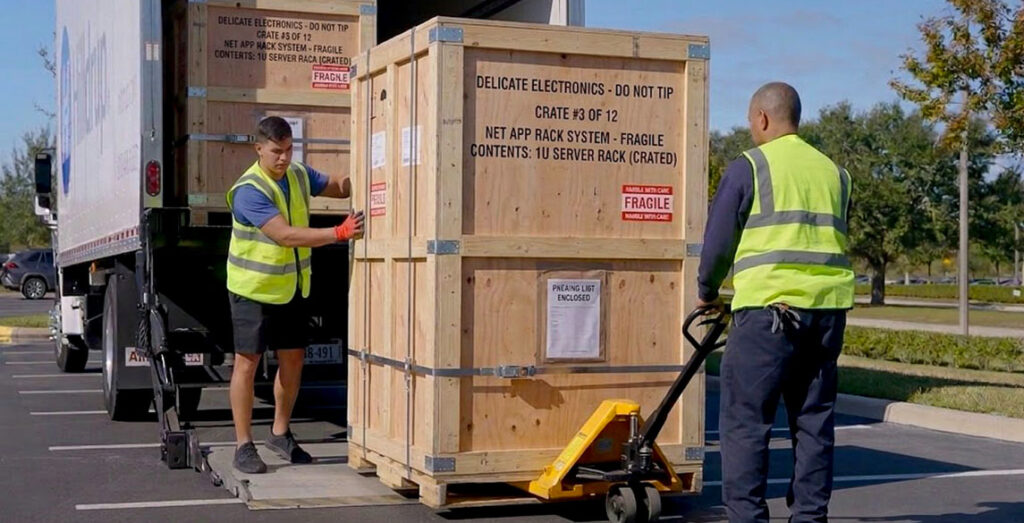
Data Center Logistics are a Force Multiplier for Crews
Multi‑phase data center projects often split equipment across warehouses, laydown yards and live sites at the same time. Without clear inventory visibility, teams lose confidence in what has been received, what is on hold and what is ready to move.
Condition reports, documented receiving processes and centralized inventory trackers aren’t a “nice to have:” these are essential risk‑management tools, especially when assets are measured in hundreds of thousands or millions of dollars per shipment. The ability to answer simple questions quickly, “Where is it? What condition is it in? When can it move?” separates disciplined logistics planning from reactive fire drills.
Planning for the End from the Beginning
One of the most overlooked elements in data center logistics is what happens after installation and upon life-cycle endpoints. Refresh cycles, upgrades and decommissioning are becoming more frequent as technology evolves. Equipment coming off the floor may require secure removal, controlled transport, relocation and installation, documented condition reporting and coordinated disposition. When reverse logistics aren’t planned early, site closeout becomes disruptive and expensive.
Smart teams now evaluate full‑lifecycle logistics support for new builds, facility refresh cycles and decommissioning as a single integrated strategy.
What This Signals for The Data Center Industry
Across regions and project types, a consistent theme is emerging:
Data center success increasingly depends on flexible and credible logistics designed around mission-critical project conditions. Not general warehousing, not ad hoc trucking, but controlled environments, trained handling teams, flexible staging options and just-in-time delivery models aligned to construction and integration realities.
As data center development expands beyond hyperscale campuses into modular, edge and retrofit environments, logistics complexity will only increase. The teams that win will be those that recognize logistics as a core project discipline, not an afterthought.
At Hilldrup, we see this shift happening in real time. Data center project teams need more than storage or transportation. They need warehousing, laydown storage, sequencing, trained labor and delivery coordination that help keep materials controlled, visible and ready for install – and Hilldrup is ready to deliver results. Tap the link below to get connected with a member of our logistics team.