From Volatility to Visibility: Managing Workplace Project Budget Planning in 2026
The realities of volatile material pricing, persistent labor shortages and ongoing supply chain disruptions extend far beyond the budget. They pose significant risks to business continuity, employee experience and productivity.

For corporate real estate professionals, facilities managers and executive planning teams, navigating a workplace project during unpredictable economic times can feel like a high-stakes balancing act.
The realities of volatile material pricing, persistent labor shortages and ongoing supply chain disruptions extend far beyond the budget. They pose significant risks to business continuity, employee experience and productivity. Left unchecked, cost overruns can derail strategic goals, delay critical openings and compromise the very purpose of the project.
It all starts with planning smarter to protect your investment and maintain momentum, regardless of market conditions. This blog post will provide information on the current landscape, how to create a contingency plan and how to incorporate flexibility into your workplace project budget moving forward.
Understanding the Current Landscape
Managing project costs starts by understanding not just what is driving market instability, but how those forces are changing the way decisions get made. Several factors continue to shape large-scale workplace and facility projects, with direct implications for timelines, approvals and accountability:
- Inflation and Interest Rate Pressure: Higher borrowing costs and persistent inflation are forcing organizations to scrutinize capital investments more closely, leading to longer approval cycles and heightened expectations around cost certainty and return on investment.
- Global Supply Chain Disruptions: Though some pressures have eased, global supply chains remain susceptible to disruption. Even small delays in sourcing materials can ripple through project schedules, increasing the need for contingency planning and placing added pressure on teams to justify timeline extensions and cost adjustments internally.
- Skilled Labor Shortages: Ongoing workforce constraints continue to drive up labor costs and limit scheduling flexibility. For project managers, this often means balancing budget realities against operational demands.
These factors create a challenging environment where timelines stretch, scopes shift and budgets tighten. Early planning, centralized vendor coordination and informed decision-making are your best defenses. Working with an experienced planning partner can create clarity and structure before costs have a chance to escalate.
Build Contingency Plans into Your Office Project Budget
In uncertain times, a contingency plan is not a luxury. It’s a core risk-management tool. It serves as a strategic allocation designed to protect operations and prevent employee disruption in the event of unexpected issues.
However, here’s where conventional wisdom may fall short: While many sources suggest 5-10% contingencies, current market volatility and labor constraints may warrant additional reserves for complex workplace projects. The key is matching your contingency to your specific risk profile, not industry averages.
For most corporate projects, starting at the higher end of this range provides greater protection without compromising project objectives. It’s equally important to plan for labor shortages as both a cost and a scheduling risk.
Consider these mitigation strategies:
- Phased or Flexible Scheduling: Break the project into manageable phases to adapt to material availability and labor schedules.
- Workforce Incentives: In a competitive labor market, incentives can help attract and retain the skilled workers needed to stay on schedule.
- Early Procurement: Locking in prices for materials and equipment early can protect your budget from future price hikes, but balance this against the cost of capital and storage.
Critical consideration: Don’t treat contingency as “extra budget” for scope creep. Establish clear governance around contingency drawdown with defined approval thresholds and documentation requirements.
Prioritize Flexibility in Design, Materials and Scope
Rigid plans are brittle in a volatile market. Building flexibility into your project from the outset is essential for success, in the short and long term. Adaptable design strategies allow your organization to respond to cost shifts without compromising safety, compliance or productivity.
Moving Beyond Reactive Value Engineering
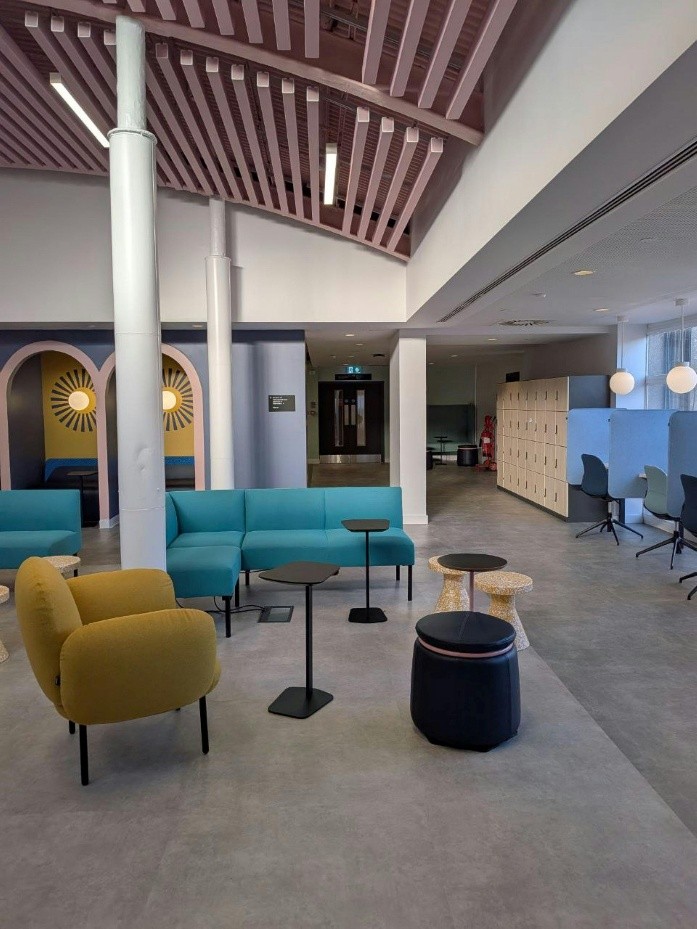
Rather than defaulting to “value engineering” when budgets tighten, incorporate built-in flexibility into the initial design. Specify primary and alternate materials upfront, choose modular elements that can be phased over time and prioritize investments that deliver immediate employee experience benefits — without triggering redesigns or change orders.
Working closely with your architects, designers and workplace partners early in the process is the first step to identifying opportunities for cost savings and flexibility. For example, consider alternative and sustainable material options that offer cost-effective substitutions while maintaining performance and aesthetics. Engineered wood products can often provide the same look and durability as traditional materials at a fraction of the cost.
This approach should also extend to long-term planning considerations, including:
- Technology Integration: Prioritize smart building systems, space utilization tools and seamless collaboration platforms that create operational efficiencies while enhancing employee experience. When technology is incorporated early into design plans, organizations can reduce friction, optimize performance and maximize their investment.
- MAC Needs: Plan for future Move, Add and Change (MAC) projects to ensure your workspace can evolve with your business.
- Furniture Lifecycle: Develop strategies for asset management, including furniture reuse and responsible decommissioning that can offset initial capital costs.
- Program and Portfolio Management: A holistic view of your real estate portfolio supports strategic growth and change over time, identifying opportunities for standardization that reduce costs across multiple projects.
Find Reliable Suppliers, Contractors and Partners
Your project is only as strong as the team you build. The value of establishing relationships with trusted partners cannot be overstated.
When Vetting Potential Partners, Look Beyond the Bid Price
Research shows that the lowest bid often correlates with higher change order costs and delays. Check references, review past projects and seek out teams with specialized experience that match your needs.
Experience in Specialized Environments Matters
Hilldrup has a proven track record of working in security-sensitive or high-risk environments, such as government agencies and medical facilities, experience that translates into better risk management and compliance on every project.
Locking in prices and contracts early with reliable partners is a powerful way to mitigate cost fluctuations. But there are also major advantages to finding a strategic workplace partner that can handle it all. Instead of managing multiple vendors and seeking out ancillary services, this arrangement helps reduce risk, break down communication silos and lessen the administrative burden on your internal teams, creating a seamless, turnkey experience.
Manage, Review and Adjust – Without Losing Momentum
A budget is not a “set it and forget it” document. Continuous budget review and forecasting are essential throughout the project lifecycle. This requires a commitment to active management and clear communication.
After establishing an internal project manager to oversee the process, implement these best practices for maintaining control and visibility:
- Track Expenses in Real Time: Utilize project management software and other tools to monitor spending as it happens.
- Identify Risks Early: Regular reviews allow you to spot potential overruns before they become major problems. Weekly budget reviews during active construction phases are essential, not excessive.
- Leverage Technology for Visibility: Use reporting tools to create accountability and a clear line of sight into project financials. Dashboard reporting should be accessible to all key stakeholders, not just the project team.
Adjusting Without Triggering Delays
Effective change management reduces risk and should not be seen as slowing projects down. A well-defined governance model enables teams to respond to necessary adjustments while maintaining safety, compliance and operational continuity. When decision authority, review criteria and escalation paths are defined upfront, many changes can be evaluated and approved within 48–72 hours. For best results, build this operating cadence into the project charter at the outset.
How Hilldrup Can Help with Your Workplace Project
Managing workplace project costs and risks in today’s economic climate demands flexibility, foresight and proactive planning. While the challenges are real, you don’t have to navigate them alone. However, relying on multiple vendors across a single project can be overwhelming and create blind spots, including fragmented communication, unclear accountability and limited visibility into how timelines and budgets are truly tracking. Hilldrup simplifies the process.
As a centralized project management partner, we support organizations across the full lifecycle, from early-stage planning and advisory services to the final installation of furniture and equipment. With one experienced point of coordination, we help ensure seamless, reliable solutions that minimize disruption and deliver outstanding results.
Ready to bring clarity and control to your next workplace project? Contact our team today.