Office Workstations: Casegoods vs. Modular Furniture
Key Takeaways: When planning your office layout, one of the first decisions you’ll need to make is whether to furnish your workspace with … Continued

Key Takeaways:
- Casegoods vs Modular: Casegoods (desks, credenzas, bookcases) offer permanent, standalone durability for private offices, while modular furniture provides flexible, reconfigurable workstation systems for open-plan layouts.
- Choosing Casegoods: Best for traditional or executive environments that prioritize long-term durability, individual privacy, and dedicated, non-changing desk arrangements.
- Choosing Modular: Ideal for growing teams, open-plan spaces, or hybrid/hot-desking models that require space maximization and easy future layout adjustments.
- Simplified Management: Partnering with a full-service workplace solutions provider like Hilldrup streamlines layout planning, heavy installation, and long-term furniture lifecycle management to minimize business disruption.
When planning your office layout, one of the first decisions you’ll need to make is whether to furnish your workspace with casegoods furniture or modular office furniture. Before you stop reading this and reach for a dictionary, casegoods and modular furniture are actually quite simple terms once you distill them down to their basic concepts.
Casegoods vs Modular: Permanence vs Flexibility
Casegoods are freestanding furniture or storage typically found in private offices or rooms. Think desks, hutches, credenzas, filing cabinets, bookshelves or tables. Typically, these pieces are made from durable materials like wood or metal, not upholstered and are designed to provide long-term functionality.
Modular furniture, on the other hand, consists of flexible furniture systems that can be easily configured, expanded or relocated to adapt as workplace needs evolve. This includes cubicles, paneling, rolling tables, storage and collaborative workstations. Most of these systems are built to be added onto and can be broken down easily if no longer in use.
Choosing between casegoods or modular furniture ultimately depends on how your office functions. Do you have several offices enclosed with doors and windows? Then, casegoods are likely a sensible choice. Is your office set up to accommodate a constant cycle of employees without permanent workspaces? Well, modular furniture can add extra flexibility.
Fortunately, both casegoods and modular furniture offer organizations the ability to adapt to a changing work environment. But what are the advantages and disadvantages of each category of furnishing? Understanding the differences can help you create a workspace that supports productivity, collaboration and long-term value.
The Case for Casegoods
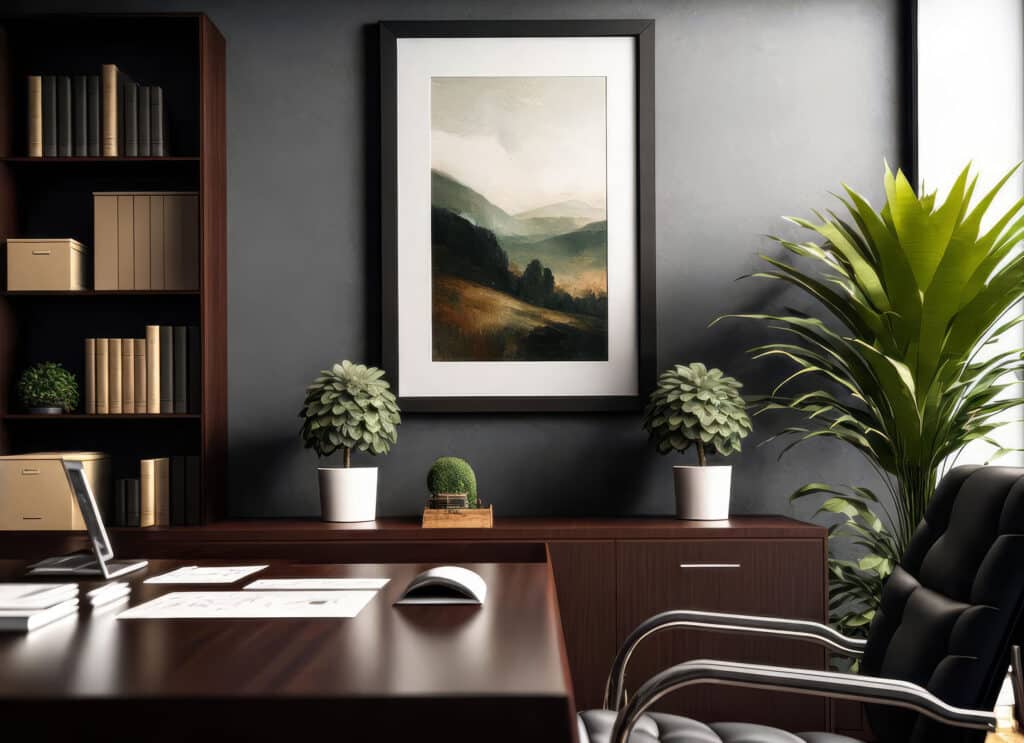
Cost is often one of the first considerations when evaluating casegoods office furniture. Consider both how the average price per standalone piece fits into your budget and how your employees use the space, particularly if your workforce follows a hybrid or staggered schedule and requires dedicated, permanent desks.
Installation is another important factor for casegoods office furniture. Once you’ve created a budget, get an estimate of the average installation time from your moving company. Keep in mind that casegoods can take longer to build or arrange compared to modular furniture systems. If you’re working within a tight project schedule, then casegoods may not be the right choice.
Beyond logistics, think about the aesthetics and atmosphere you want to create. Is fostering collaboration and creativity a priority? While private offices furnished with traditional casegoods can project professionalism, help people concentrate and establish privacy, they also may reduce spontaneous collaboration. Think about what message you are hoping to communicate to employees through the layout of your office.
Benefits of casegoods furniture
- Durable construction designed for long-term use
- Easier to personalize individual workspaces
- Flexible to add or replace individual furniture pieces
- Creates a more traditional, executive or home-like office environment
Considerations
- Requires more floor space
- Less privacy in open office layouts without panel systems
- Heavier and more difficult to relocate
- Individual pieces typically serve a single purpose
Modular Furniture for a Modern Office
Modular office furniture is designed as part of an integrated workstation system (e.g., cubicles are typically arranged in groups of four). Although the upfront investment may be higher than purchasing individual casegoods, modular systems maximize available square footage and make future office changes much easier.
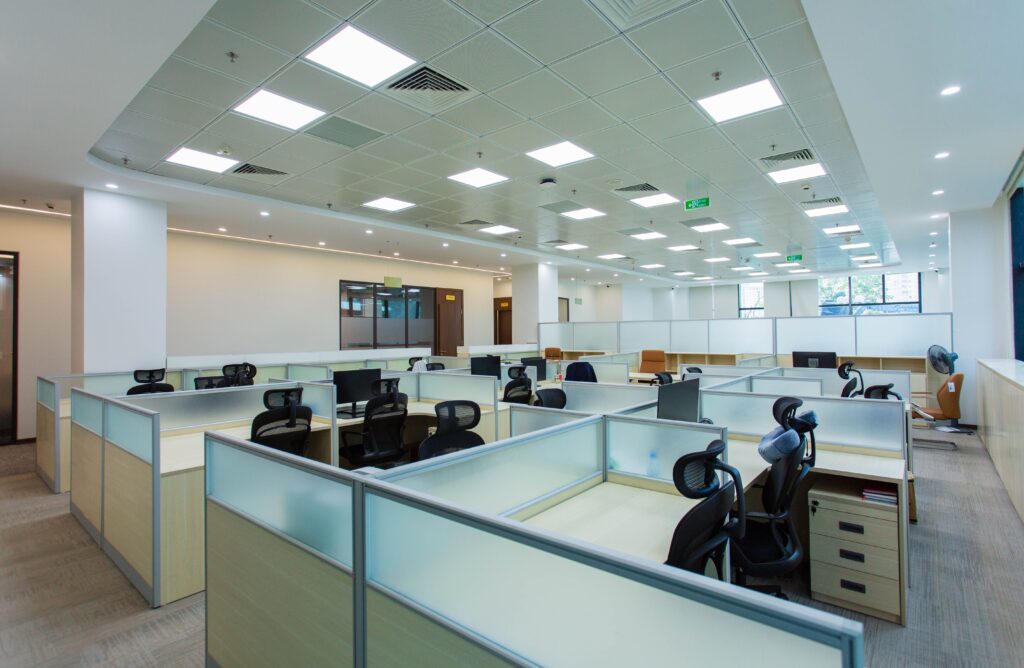
Mapping out how to arrange modular furniture ahead of time will cut down on labor costs and minimize disruptions. As you begin setting up workstations, pay attention to how each one will function. Organizations that utilize hot desking, an office seating arrangement that has multiple people share desk space based on their differing schedules, should ensure workstations are conveniently located near conference rooms, break areas and other common amenities.
Also, be mindful of how noise carries in an open office. Sometimes spacing out cubicle groupings can help reduce distractions and allow people to work in peace. Proper workstation spacing, collaborative areas and private meeting rooms can help reduce distractions while encouraging teamwork.
Benefits of modular furniture
- Highly customizable workstation configurations
- Easily expanded as your organization grows
- Replaceable components extend furniture life
- Flexible layouts support changing workplace needs
- Simplifies future office reconfigurations
Considerations
- More complex installation process
- Higher installation costs than standalone furniture
- Components may not be as durable as traditional casegoods
Partnering with a Workplace Solutions Provider
Whether you’re outfitting a new office, renovating an existing workspace or anticipating changes to your office utilization, selecting the right furniture is key to making your employees feel comfortable and engaged. At the same time, updating and installing new furniture is a big investment, not to mention the time and planning it takes to coordinate around work schedules. Partnering with a trusted workplace solutions provider helps ensure your furniture selection, installation and workspace design align with your organization’s goals and needs while minimizing disruption to daily operations.
Beyond installation, managing office furniture throughout its lifecycle can become a significant administrative burden. That’s where full-service partners like Hilldrup come in.
Hilldrup’s furniture management services help organizations maximize the value of their office investments by developing furniture standards, monitoring furniture conditions, procuring and implementing proactive replacement strategies, and coordinating the decommissioning, removal and installation of new furniture when the time is right. This allows businesses to maintain a professional, functional workplace without having to manage every furniture refresh internally.
Working with an experienced workplace solutions partner also means having expert support for project planning, scheduling and future workspace reconfigurations — helping your organization stay productive and ahead of the curve as workplace needs evolve.
Learn more about Hilldrup’s workplace services. From commercial and workplace moving to office furniture installation, reconfigurations, furniture lifecycle management and workspace design, we have solutions for every corner of your workplace.
FAQs
What is the difference between casegoods and modular office furniture?
Casegoods are rigid, standalone pieces of hard-surfaced furniture — like executive desks, credenzas, bookcases and filing cabinets — built for fixed spaces. Modular furniture consists of interlocking, flexible systems, including cubicles and panel workstations, that can be easily expanded, reconfigured or relocated as team needs change.
Which furniture option is best for private executive offices?
Casegoods are usually the better choice for private offices. Their solid construction, traditional aesthetic and built-in storage project authority, offer acoustic privacy and create a permanent, executive-level workspace.
Which type of furniture works best for open-plan offices and hybrid workforces?
Modular furniture excels in open-plan and hybrid layouts. Systems can be configured into shared pods or hot-desking setups, making it easy to maximize square footage, manage noise and adapt desk capacity based on fluctuating daily attendance.
Is casegoods furniture more expensive than modular systems?
It depends on how you measure cost. Individual casegoods pieces often have a lower upfront cost than a multi-station modular system. However, modular systems can offer lower long-term costs when expanding or reconfiguring an office because you can add or replace components rather than buying entirely new furniture.
Which type of office furniture lasts longer?
Casegoods generally offer greater long-term physical durability because they are constructed as solid, heavy-duty units made of wood, veneer or metal. While modular components are durable, their moving or interlocking parts can experience more wear over time with repeated reconfigurations.
Is casegoods or modular furniture harder to install?
Both have installation considerations:
Casegoods are heavy and rigid, requiring careful maneuvering through hallways and elevators, which can extend installation times.
Modular systems have a more complex assembly process involving panels, wiring and hardware, requiring detailed space planning beforehand.